
Easy Dietary Changes for Dogs with Digestive Sensitivities
Lots of dogs suffer from digestive problems. These can then make them feel uncomfortable at the lesser end of the scale to severely ill at the other. Food…
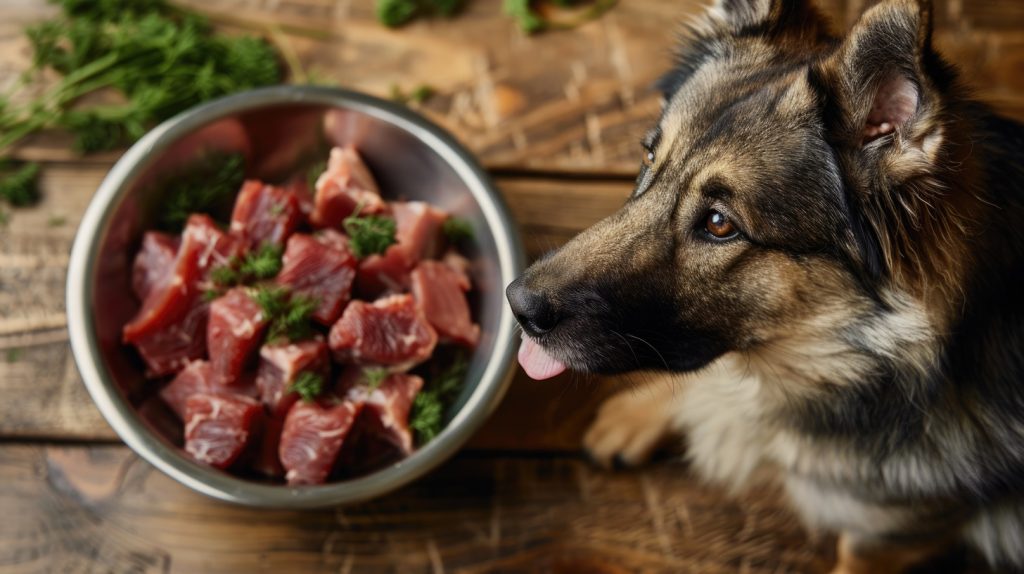
A dog sniffing a bowl filled predominantly with raw lamb and some organ meats, set on a rustic wooden floor.
Lots of dogs suffer from digestive problems. These can then make them feel uncomfortable at the lesser end of the scale to severely ill at the other. Food sensitivity and intolerance are common causes of poor digestion in dogs. To that end, if you make some simple adjustments to your dog’s diet, it can help ease any digestive issues it may be facing.
Identify the Problem
Obviously, the first step is identifying if your dog has a digestive issue. Some signs are vomiting, loose stools or diarrhea, excessive gas, bad breath, a lack of energy after eating, or visible stomach pain. These indicate irritation in some part of the digestive tract. Possible culprits are food allergies or the inability to properly process ingredients. Keeping a journal tracking when symptoms happen most can help narrow causes. Vet exams also check for other conditions causing symptoms.
Transition Gradually
Once problem foods or ingredients are determined, switching should be gradual, which would give the digestive system time to adapt. Make any changes over a 5-to-7-day period by mixing a little more of the new food and a little less of the old food each day. Portions should reach 100% new food on day 5 to 7. Go extremely slowly if diarrhea or vomiting happens. Rush transitions further upset the stomach and intestines, worsening irritation healing from problem foods.
Find Limited-Ingredient Food
For your pup’s digestive health, consider limited-ingredient dog food. These formulas contain fewer components, excluding common triggers like dairy, eggs, and grains that may cause issues. This shorter ingredient list makes it easier to identify ingredients that might be problematic for sensitive tummies. They usually feature gentle, easily digestible protein and carb sources. These types of foods help soothe any sensitivity. Go for premium brands that offer limited-ingredient options with gut-friendly ingredients like fish, sweet potatoes, and rice. The experts at Nextrition say choosing the right dog food for gut health can provide your furry friend with the nutritional support they need for optimal digestive well-being.
Add Digestive Supplements
Certain supplements improve dog digestive health by aiding how food moves through the gut. Probiotics put back healthy bacteria levels thrown off by sensitivities and illnesses. Digestive enzymes help properly break down foods. Anti-nausea ginger calms stomachs, slippery elm bark coats irritated intestine walls, and pumpkin provides fiber without aggravating like other fibers. Adding one or more supplements provides layered gut support. Rotate varieties to prevent dependency on only one. Check with your vet that supplements do not interfere with prescribed medications.
Adjust Meal Size and Timing
Eating too much overwhelms digestive systems prone to sensitivities. Cutting back meal portions takes pressure off. Breaking meals into smaller sizes spaced throughout the day also lessens strain. For example, feed one-third of the usual breakfast amount. Then serve another one-third a few hours later. Finish the last one-third at dinner. This steady stream of smaller helpings regulates digestion. Timing adjustments create steadier rituals that sensitive digestive systems can handle.
Avoid Sudden Food Changes
While long-term diet improvements soothe sensitivities, sudden meals changes do the opposite. Sporadic spurts between usual foods and treats bring back problems. Stick to a steady routine day over day. Pick several consistent foods that have been identified as gentle on the stomach. Rotating through this limited menu avoids flare-ups. Always transition very slowly when you eventually try adding or switching items. The unexpected shock of an abrupt switch when the body expects something else causes setbacks.
Conclusion
With some adjustments to feed amount, timing and ingredients, dogs gain relief from many digestive struggles. Identify irritants, transition carefully to limited-ingredient foods, add supplements, and keep variety to a minimum. Monitor symptoms to see which changes make the biggest difference. Every dog has unique needs, so stay patient finding their formula for better digestive health and comfort.