Why Nurses Are Essential in Every Community
Nurses fill indispensable roles across diverse healthcare settings in every community. Their expertise in clinical care coordination, patient education,…
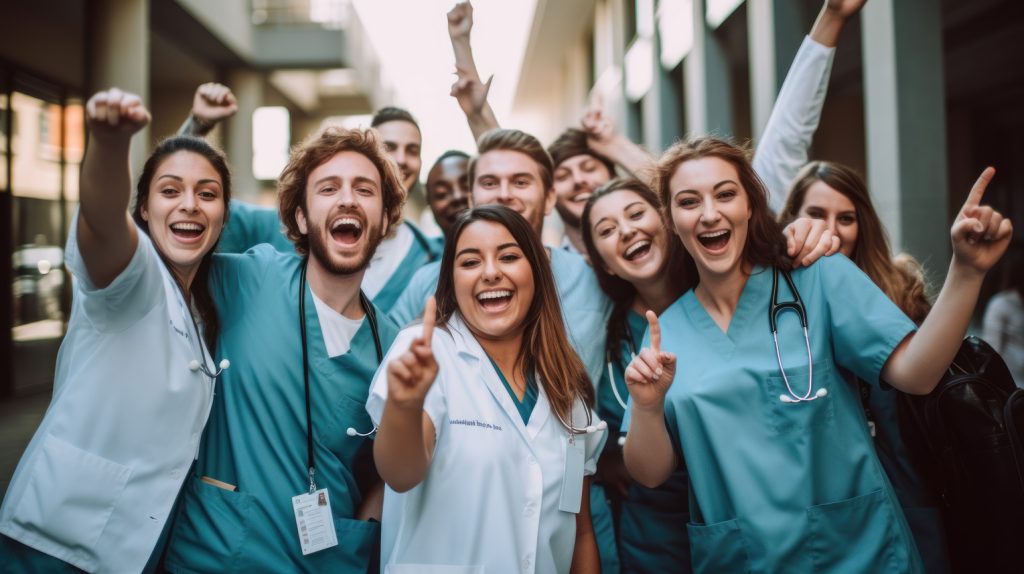
Nurses fill indispensable roles across diverse healthcare settings in every community. Their expertise in clinical care coordination, patient education, critical thinking, and emotional support makes nursing jobs highly demanding. However complex the case or treatment, nurses directly interface with patients more than any other medical professional over hours-long shifts. The breadth and depth of nursing responsibilities continues growing as population health needs expand.
Filling Diverse Specialty and Facility Roles
Nursing careers encompass a mosaic of specializations, credentials, work environments, patient profiles, and daily duties. Yet every nursing role directly serves community wellbeing. For example, school nurses ensure student safety, manage health records, and promote wellness education. Home health nurses visit patients recovering post-hospitalization to provide wound care instructions, medication management, or physical therapy supervision in home environments. And emergency nurses triage walk-in patients, stabilize urgent cases, and communicate with doctors on treatment plans.
Nurses play vital roles across communities, serving in various capacities to support population health. Nurse practitioners diagnose and treat common illnesses through primary care clinics, while labor and delivery nurses help welcome new lives at hospitals. Nursing home nurses provide care for aging adults, and occupational health nurses promote workplace safety. The experts at SouthlandMD say that thoughtfully matching open nursing positions, including jobs for nurses in Georgia and other states, to individual nurses’ training, interests, aptitudes, experience levels, and scheduling needs forges robust connections between the nursing workforce and the diverse communities they serve. This strategic approach to filling jobs for nurses in Georgia and beyond ensures strong ties that optimize positive health outcomes.
Delivering Skilled Patient Care and Education
At its core, quality nursing ensures accurate treatment administration, monitoring, reporting, and documentation across environments. Nurses manage IVs, tubes, catheters, oxygen tanks, feeds, wounds dressings, therapies, and dozens of medications for sick, injured, or disabled patients daily. Careful record-keeping then informs doctors modifying care plans as patient status evolves. Through both independent assessments and collaborating with broader care teams, nurses identify subtle signs of changes requiring intervention to prevent deterioration.
Equally important is the continual health education nurses provide to patients and family members regarding diagnoses, upcoming tests and procedures, home care instructions, warning signs to monitor, and more over long shifts. Patient teaching empowers people to take greater ownership in healing and prevention. Nurses often bridge communication gaps via informing and translating complex medical terminology into more understandable terms for diverse populations. Many lives have been saved simply by nurses reinforcing critical next steps to clients.
Offering Comfort and Encouragement
Beyond clinical skills, nursing also requires enormous emotional capacity and empathy when interacting intimately with sick individuals. Nurses hold space for clients grieving devastating diagnoses or altered lives after accidents. They encourage reluctant adolescents to take control of chronic illnesses. Sensitive bedside manners provide comfort to anxious parents wondering about child surgery outcomes. And reassurance guides patients successfully through painful procedures one breath at a time.
Even just brief hourly encounters meeting basic needs like bathroom assistance, repositioning, hydration, hygiene, feeding, and ambulation require respectful communication promoting dignity. Nurses model resilience through difficulty. For many clinging to hope while healing, positive nursing relationships transform healthcare experiences.
Conclusion
The diverse nursing profession serves as the heart linking all corners of community health together. Nursing bridges gaps between departments, specialties, facilities, demographics, chronic and acute cases over years of accumulated perspectives. Holistic nursing skills evolve through ongoing curiosity, critical thinking, evidence-based competence development, stress management, technical prowess, balanced communication, and maturity handling vulnerable caseloads. Nurses’ unwavering commitment to easing suffering profoundly impacts lives, both individually and within the broader community.