What is Botox used for?
Botox is popularly known for dealing with wrinkles and other cosmetic procedures. But in medicine, it has other applications and uses. Botox, a trademark…
What is Botox used for?
Botox is popularly known for dealing with wrinkles and other cosmetic procedures. But in medicine, it has other applications and uses. Botox, a trademark for Botulinum toxin, works as a neuromuscular blocker. This means that it paralyzes the muscles into which it is injected. It is noteworthy that because the issue of muscles spans across different kinds of medical conditions, the use and range of the medical application of the injectable drug has been expanding.
- Cosmetic Use
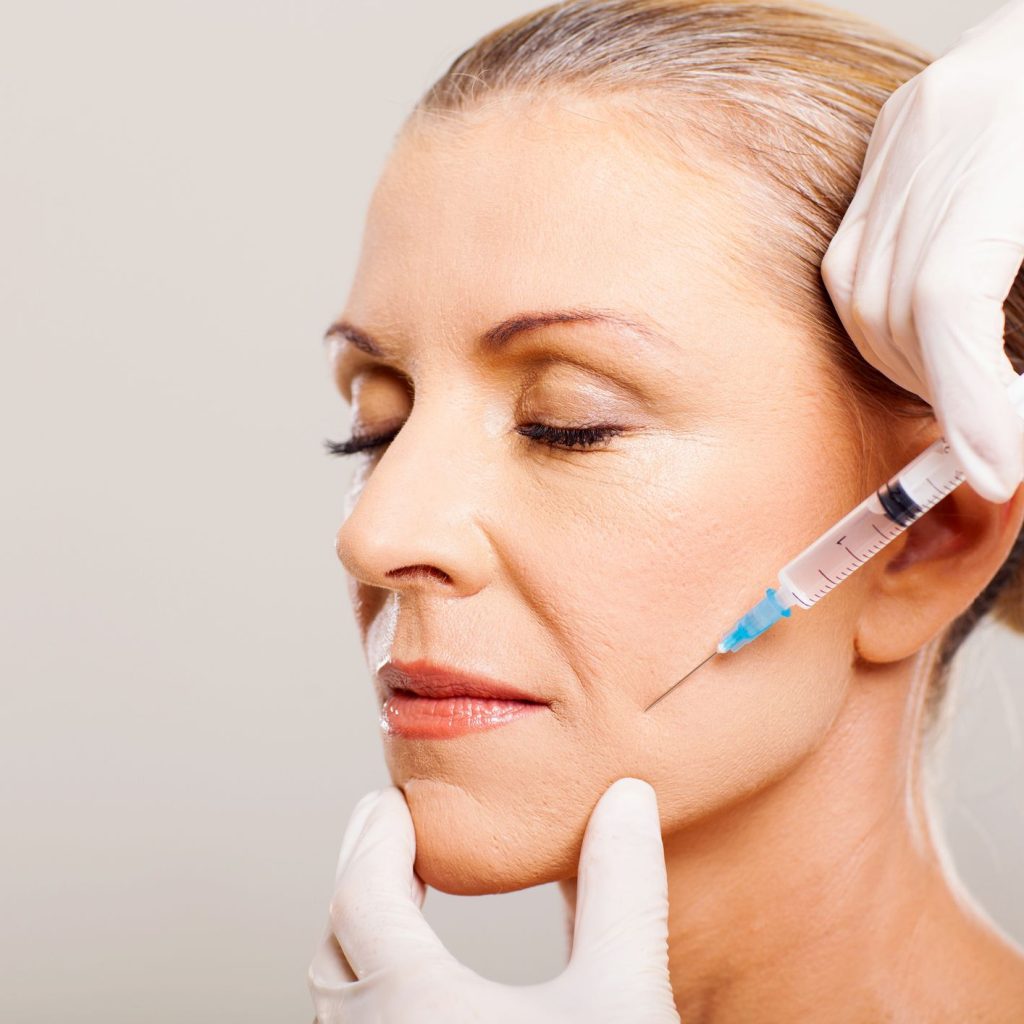
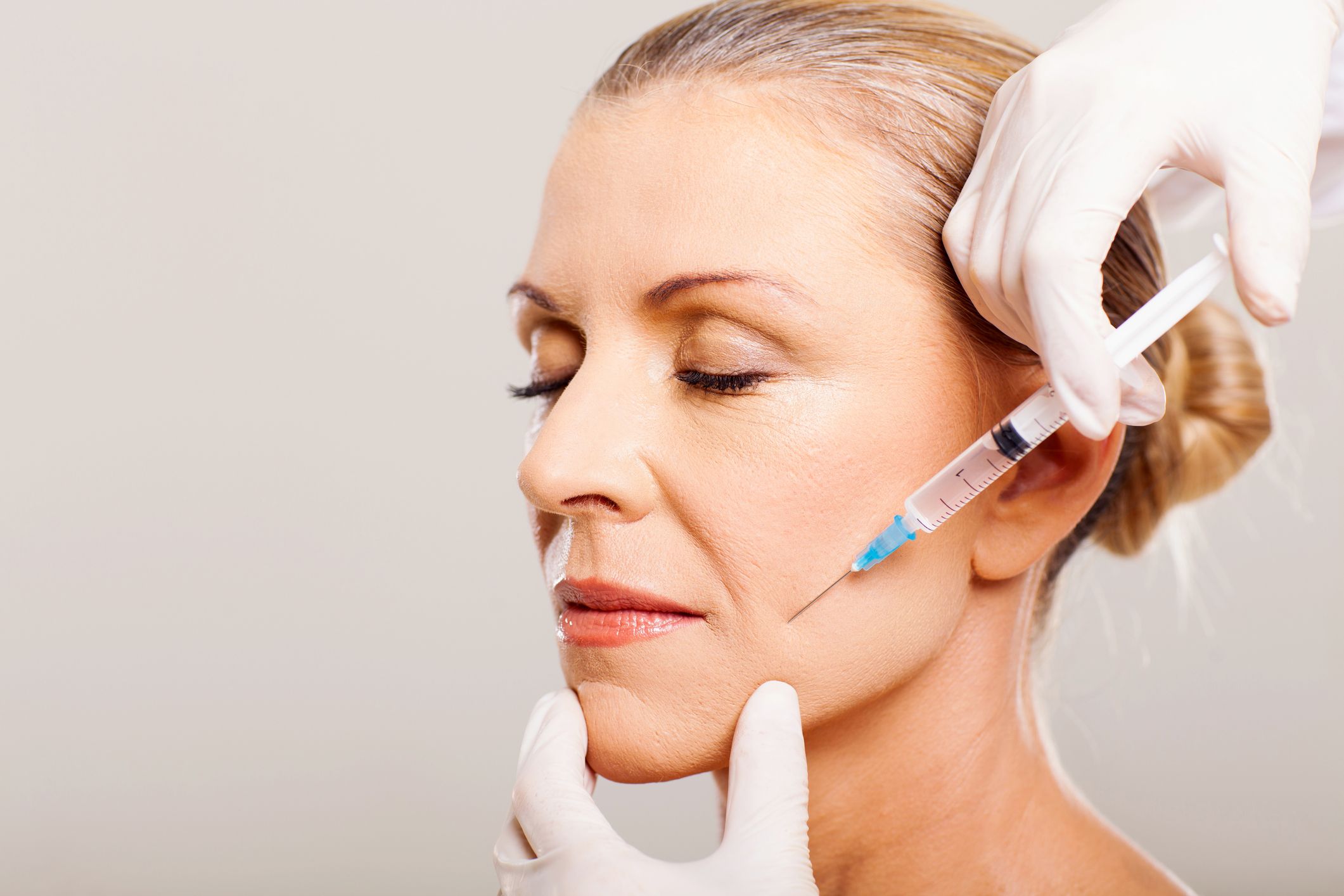
Botox can be used for several medical applications. However, it is primarily used to reduce the appearance of facial wrinkles. The American Board of Cosmetic Surgery revealed that these injections are the most common cosmetic procedure in the nation. Over 70 million people had the treatment in the year 2016. Most times, the effects are temporary. Generally, the procedure can last for 3 to 12 months. But this depends on the kind of treatment. People use botox treatment for cosmetic purposes for the following purposes:
Wrinkles around the eyes (also known as crow’s feet), wrinkles between the eyebrows (also known as fine lines, elevens, glabellar lines), horizontal creases in the forehead area, cobblestone skin in the chin area, lines in the corners of the mouth. Regardless, the FDA has only approved the use of the procedure for only the eyes and the forehead area. For cosmetic use, there is no available evidence that the procedure can improve dark circles under the eyes. Besides, people use the procedure to bolster the appearance of their hair. However, there is little evidence to ascertain that it works.
- Medical Use
Cosmetologists and medical professionals use botox for several medical conditions. These conditions are primarily those that are associated with the neuromuscular system. The United States FDA approves the procedure for the following medical uses. However, approval is for people 18 or older (unless specified).
They include: upper limb spasticity (for anyone older than 2 years); strabismus or crossed eyes for those older than 12; hyperhidrosis or severe underarm sweating; preventing migraine for people whose migraine headaches last for at least 4 hours on 15 or more days in a month.
- Botox for Excessive Sweating or Hyperhidrosis
Hyperhidrosis is a condition that is characterized by excessive sweating. It can affect a specific part of the body or the whole. Although this condition is not life threatening, it can be embarrassing or uncomfortable. It can also cause psychological trauma. One way to treat excessive sweating is with botox injections. It helps to block the nerves that spurs the sweat gland to produce sweat. This helps because, typically, the body produces sweat when the tiny muscles around the sweat glands squeeze the product out. Botox can help paralyze tiny muscles. So, the sweat glands will no longer work like they would normally do.